Introduction
Designing compact interiors can feel challenging, but it is also an exciting opportunity. With the right techniques, even the smallest room can feel open, stylish, and highly functional. Learning how to decorate small spaces with bigger visual impact is about making smart design choices rather than adding more items. when every inch matters, each detail plays a role. Color, lighting, furniture, and layout all work together to shape perception. A well-designed small space does not just look bigger. It also feels more comfortable and inviting.
Understanding Visual Impact in Small Spaces
To master how to decorate small spaces with bigger visual impact, you first need to understand visual perception. The human eye naturally responds to light, contrast, and open areas.
When a room feels crowded, the brain interprets it as smaller. On the other hand, open sightlines create a sense of freedom. This is why layout and spacing are just as important as décor choices. Visual impact is not about adding more objects. It is about arranging existing elements in a way that guides the eye smoothly across the room. This creates a natural feeling of depth and openness.
Choosing the Right Color Palette
Color is one of the most powerful tools in how to decorate small spaces with bigger visual impact. Light and neutral shades reflect more light, making rooms appear larger.
Soft whites, beige tones, light greys, and pastel shades help create an airy atmosphere. These colors reduce visual heaviness and allow natural light to spread evenly. However, this does not mean you must avoid dark colors completely. You can use them as accents to add depth and personality. A balanced contrast can enhance visual interest without shrinking the space. Consistency in color also matters. When walls, furniture, and décor share a similar tone range, the room feels unified and open.
Smart Furniture Selection for Small Rooms
Furniture plays a central role in how to decorate small spaces with bigger visual impact. Oversized furniture can quickly overwhelm a compact room, while well-scaled pieces create balance. Choose furniture that is sleek and functional. Low-profile sofas, narrow tables, and open-legged chairs help maintain visual flow. Furniture that exposes more floor space creates an illusion of openness.

Multi-functional pieces are especially useful. A storage ottoman or foldable table reduces clutter while increasing usability. Placement also matters. Avoid blocking pathways or windows, as this restricts movement and light flow.
Lighting Techniques to Expand Space
Lighting is a key factor in creating depth and openness. In how to decorate small spaces with bigger visual impact, layered lighting is highly effective.
Natural light should always be maximized. Keep windows uncovered or use light curtains that allow sunlight to pass through easily. Artificial lighting should be used strategically. Ceiling lights, wall sconces, and table lamps together create a layered effect. This reduces shadows and adds dimension to the room. Warm lighting makes spaces feel cozy, while cool lighting enhances clarity. A combination of both often works best for small interiors.
Wall Design and Vertical Thinking
Walls are often underused in small spaces. Vertical design is an important strategy in how to decorate small spaces with bigger visual impact.
Using vertical space draws the eye upward, creating the illusion of height. Tall shelves, vertical artwork, and wall-mounted storage help achieve this effect. Keeping walls visually clean is equally important. Avoid overcrowding them with too many decorative elements. A few well-placed pieces create stronger impact than many small items. This approach ensures the room feels taller and more organized.
Decluttering and Minimal Styling Approach
Clutter is one of the biggest obstacles in how to decorate small spaces with bigger visual impact. Even a beautifully designed room can feel cramped if it is overcrowded. A minimal approach helps maintain clarity and openness. Every item in the room should serve a purpose or add meaningful value.
Instead of filling surfaces with décor, leave breathing space. Empty areas are not wasted space; they are part of the design. Regular decluttering also helps maintain balance. A clean environment naturally feels larger and more comfortable.
Using Mirrors and Reflective Surfaces
Mirrors are powerful tools for expanding visual space. In how to decorate small spaces with bigger visual impact, they are often used to double light and depth. Placing a mirror opposite a window reflects natural light across the room. This instantly makes the space feel brighter and larger.
Reflective surfaces such as glass tables, glossy finishes, and metallic accents also contribute to this effect. However, moderation is important. Too many reflective elements can feel overwhelming. One or two well-placed mirrors are usually enough.
Creating Focal Points for Balance
A strong focal point helps organize visual attention. This is an essential concept in how to decorate small spaces with bigger visual impact. A focal point could be a piece of artwork, a feature wall, or a stylish furniture piece. It gives the eye a place to rest, which reduces visual confusion.
When a room lacks focus, it can feel scattered. A clear focal point brings harmony and structure to the design. The key is to keep everything else simple so the focal point stands out naturally.
Smart Storage Solutions That Blend In
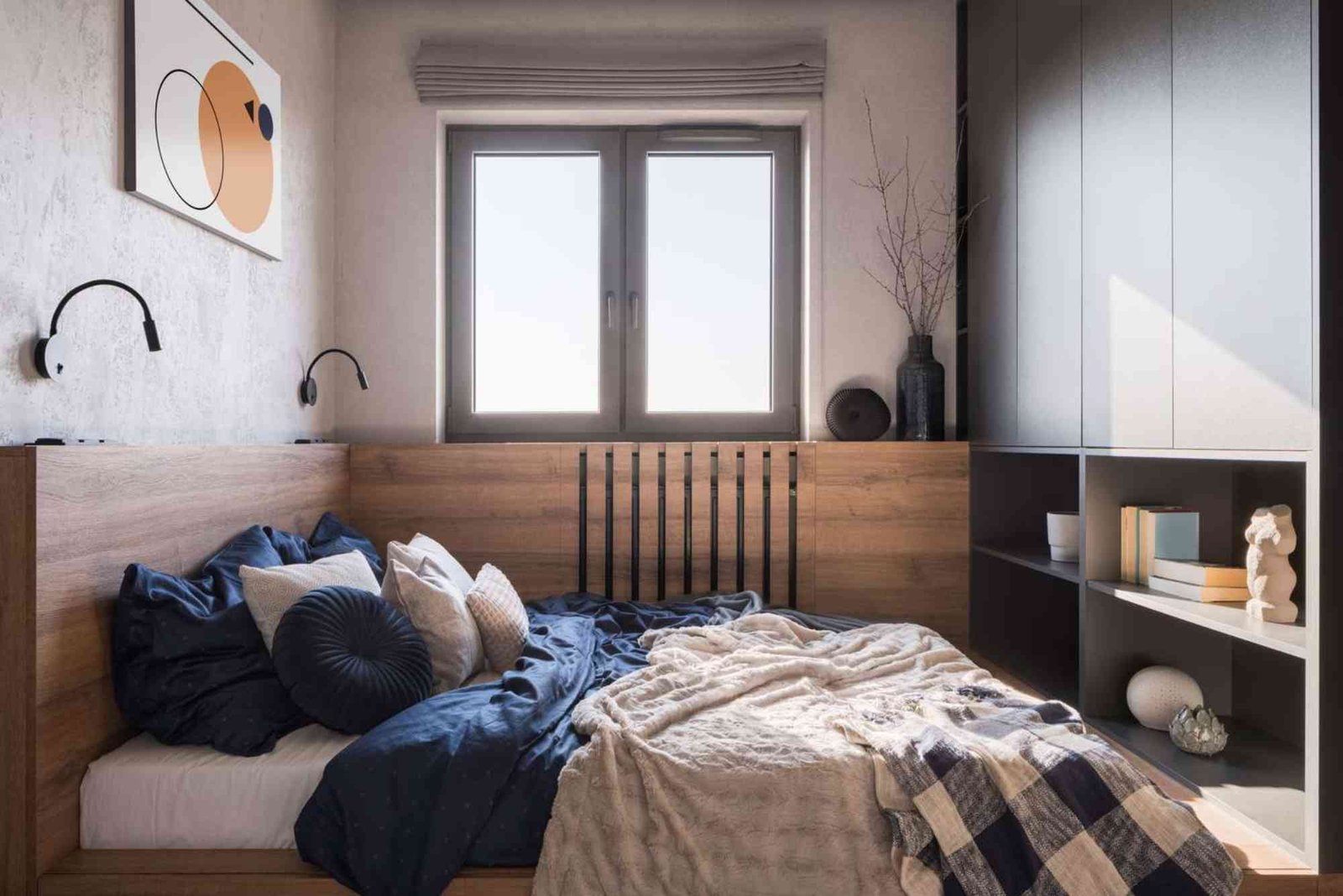
Storage is essential in small spaces, but it should not disrupt design flow. In how to decorate small spaces with bigger visual impact, hidden or integrated storage works best. Furniture with built-in storage helps reduce visible clutter. Wall-mounted cabinets also free up floor space.
When storage blends with the overall design, the room feels cleaner and more spacious. Visible mess is reduced, and visual continuity is maintained. This creates a smoother and more organized environment.
Common Mistakes to Avoid
Many people unintentionally reduce space while trying to decorate it. One common mistake in how to decorate small spaces with bigger visual impact is overdecorating. Too many patterns or colors can make a room feel chaotic. Another mistake is using oversized furniture that disrupts balance.
Blocking natural light also reduces openness. Heavy curtains or poorly placed furniture can make a space feel closed in. Avoiding these mistakes ensures that your design choices support openness rather than limit it.
FAQs
What colors make a small room look bigger?
Light colors such as white, cream, and soft grey help reflect light. This creates a more open and airy feeling. These shades are often recommended in how to decorate small spaces with bigger visual impact strategies.
How do you make a small room look more spacious?
You can make a small room feel larger by using minimal furniture, good lighting, and mirrors. Keeping the layout open is also important for how to decorate small spaces with bigger visual impact.
What furniture works best in small spaces?
Compact, multi-functional, and open-legged furniture works best. These designs help maintain flow and reduce visual heaviness in how to decorate small spaces with bigger visual impact.
How can lighting improve small rooms?
Lighting adds depth and brightness. Natural light combined with layered artificial lighting improves perception of space, which is essential in how to decorate small spaces with bigger visual impact.
Conclusion
Mastering how to decorate small spaces with bigger visual impact is about thoughtful design, not excess decoration. Every element should serve both function and beauty. By using light colors, smart furniture, proper lighting, and minimal styling, you can completely transform even the smallest room. The goal is to create harmony between space and design.